





Imagine this: tomorrow, your payment systems freeze, your supplier halts deliveries, and employees can’t log in. Would your business still function? This “day-in-the-life” disruption is no longer hypothetical—recent incidents show it can happen to anyone, anytime. Passengers are stranded, hospitals delay treatments, and factories idle workers, all because organisational resilience wasn’t prioritised.

Resilience vs. Continuity: The Shift in Focus
Business continuity is about restarting after a crash. Resilience is about keeping the engine running even if it sputters. Resilient organisations don’t just recover—they continue to operate through disruption. This requires identifying vulnerabilities, dependencies, and risks—including supply chain and third-party failures—before a crisis hits.
Key Regulatory Drivers
- ISO 22301: The international standard for Business Continuity Management Systems (BCMS), focusing on preparedness, response, and recovery.
- DORA (Digital Operational Resilience Act – EU): Applicable to financial services, mandating ICT risk management, threat-led testing, and operational resilience frameworks.
- India’s Regulatory Focus:
- RBI: Requires NBFCs and banks to maintain robust BCP and cyber resilience frameworks.
- SEBI: Demands cyber resilience and DR testing from Market Infrastructure Institutions (MIIs).
- IRDAI: Encourages insurance firms to conduct Business Impact Analyses and maintain BCM programs.
Real-World Disruptions: Why Resilience Is Critical
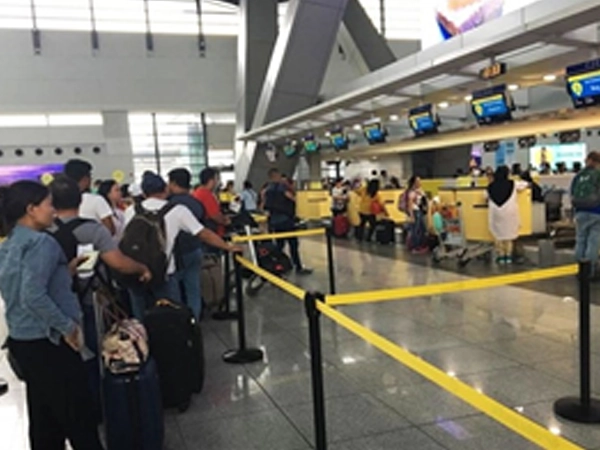
- CrowdStrike Outage (July 2024): A flawed update by cybersecurity vendor CrowdStrike caused widespread Windows system crashes (BSODs) globally. Airports, banks, hospitals, and government agencies were paralyzed. Airlines like Delta, United, and American had to cancel thousands of flights. The incident, impacting over 8.5 million systems, highlighted the dangers of third-party software dependency and poor supply chain visibility.
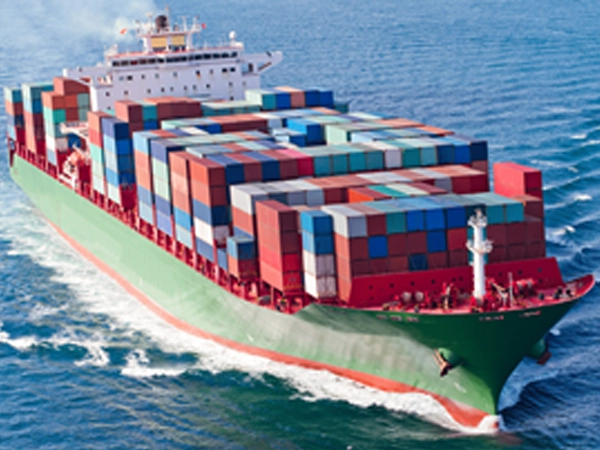
- Maersk (2017): The NotPetya malware attack shut down Maersk’s global shipping operations, forcing full system rebuilds and resulting in a loss of over $300 million.
- Toyota (2022): A supplier’s system breach disrupted Toyota’s entire domestic production line, demonstrating how a single point of failure in the supply chain can affect global operations.
- Jaguar Land Rover (2025): A cyberattack forced JLR to shut down global operations for over a month, leading to an estimated $2 billion in lost revenue. The attack disrupted manufacturing, retail, and payment systems, highlighting the severe impact of cyber threats on business continuity.
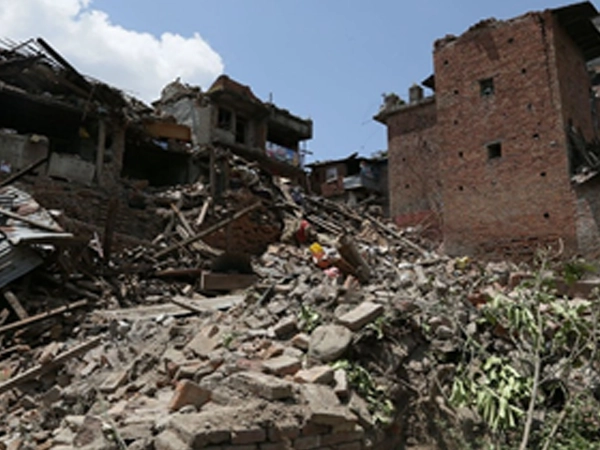
- Taiwan Earthquake (2024): Disrupted semiconductor manufacturing and logistics, affecting delivery schedules across the global tech sector.
Building Resilience: A Quick Organisational Checklist
Use this checklist to assess your organisation’s resilience maturity:
| # | Activity | Purpose |
|---|---|---|
| 1 | Gap Assessment | Spot weaknesses in BCM/DR setups |
| 2 | Business Impact Analysis (BIA) | Identify critical processes and dependencies |
| 3 | Define RTO & RPO | Set achievable recovery objectives for systems/ data |
| 4 | Disaster Recovery (DR) Testing | Validate system failovers regularly |
| 5 | Supply Chain & Vendor Risk Assessment | Monitor third-party exposures) |
| 6 | Crisis Management Simulation | Test leadership decision-making under stress |
| 7 | BCP Awareness & Training | Ensure employees know their roles during disruptions |
Conclusion
Resilience isn’t built in a crisis—it’s built today. Start with a gap assessment, test your DR plans, and challenge leadership with crisis simulations. When—not if—disruption strikes, survival depends on resilience.
Ask yourself:
If a critical vendor/process fails tomorrow, will your business survive the fallout?
If the answer isn’t confident—start building resilience today.