



The airline business has always put safety first. But these days, safety isn’t just about how well machines work or how good pilots are. It’s also about how strong our digital systems are, the ones that keep planes, airports, and air traffic running smoothly. For a long time, this meant making sure the parts were good, pilots were skilled, and air traffic was carefully controlled. Success was usually measured by how fast, how well, and how safely planes arrived on time. We called it Airspeed.
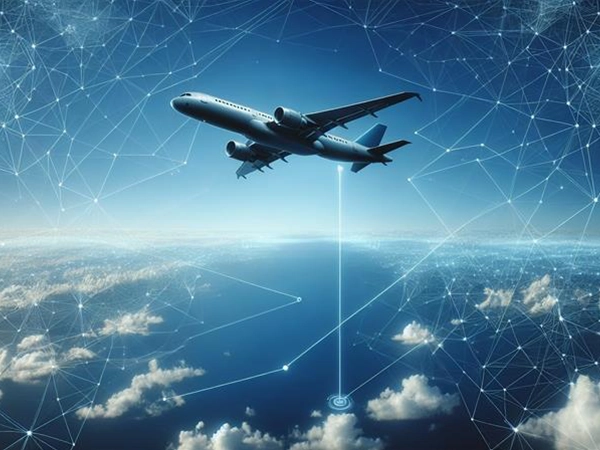
Digital tech is really shaking things up, even in aviation. It’s changing how we think about safety, how reliable things are, and who we trust when we fly. Our skies aren’t just planes and open air anymore; they’re packed with data, connected systems, and cool digital gadgets. Air traffic control is getting pretty high-tech, with planes chatting amongst themselves and everything going digital. This digital shift means we need to rethink how we keep things safe and reliable.
Now, in these digital skies, paying close attention is more important than being fast. This means our priorities have shifted in a big way. While physical speed is still important, how quickly we react to a cyber threat, how watchful we are, is now the main thing that decides safety and if things keep running. A broken part might ground one plane, but a cyberattack could shut down a whole network of air traffic control, airports, and thousands of flights around the world
The New Kind of Danger
Making aviation digital brings a lot of good things like better efficiency, more capacity, and being more eco-friendly. But it also brings a completely new kind of risk.
- Connected Systems: Modern air traffic control uses a system called SWIM to share data easily between air navigation services, airlines, and airports. This connection is a bit of a double-edged sword. If one part is attacked, like a system used by a third-party for maintenance or data exchange, it can cause problems across the whole aviation system.
- More Drones: With so many drones around, we need new ways to manage their traffic (UTM). This creates new security problems, like unauthorized flights near airports or someone trying to mess with navigation signals. The digital systems that manage these new drones are very important and need to be protected from attacks.
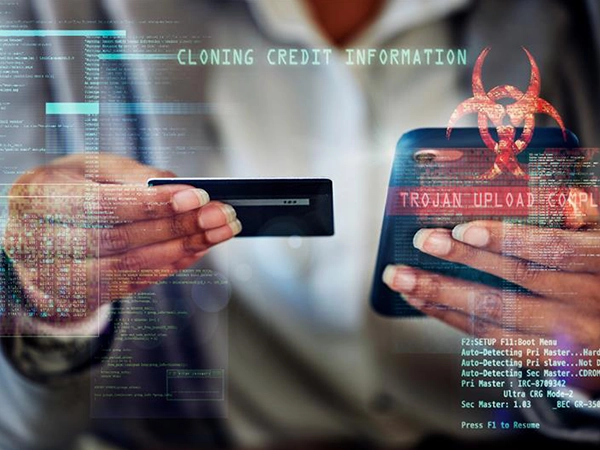
- Going After Data, Not Just Planes: Attackers aren’t always trying to crash a plane. More often, they’re after data, keeping things from running, and trust—things that are just as important for flight safety. They often want valuable company secrets, private passenger info, or they simply want to hold important operations hostage (ransomware attacks). Messing with ticketing, booking, or flight planning systems can cause huge money problems and damage a company’s reputation.
Being Ready Instead of Just Reacting
A cyberattack happens super-fast—in milliseconds—often quicker than old security systems can even react. A breach can happen, data can be stolen, or a system can be compromised before an old defense even spots anything wrong. This is where being watchful becomes super important:
- Watching All the Time: Unlike old security that focused on building a strong wall, digital watchfulness means constantly checking networks, devices, and data flow. Automated tools, often using AI, have to instantly look at logs, what users are doing, and traffic patterns to find and flag anything suspicious right away.
- Security from the Start: Real watchfulness begins when things are first planned out. New digital systems—from plane electronics to airport internet-connected devices—must be designed with cybersecurity built in from the beginning, not added later as a quick fix after they’re already in use.
- The Human Shield: Even the best technical security can be ruined by simple human mistakes. It’s really important for everyone—pilots, air traffic controllers, engineers, IT staff, and bosses—to get regular, thorough cybersecurity training. Knowing how to spot a phishing email or follow a secure procedure is a very important layer of defense.
- Cyber Endurance: Being watchful isn’t just about stopping attacks; it’s also about finding them fast, stopping them, and getting things back to normal quickly to keep important aviation services running. It means having a detailed plan that you’ve practiced to stop a breach, isolate the danger, and get critical services back online fast. The goal is to come out of a problem stronger, with lessons learned instantly put back into how the system is protected.
To Sum Up
Aviation’s future is digital, and our commitment to safety has to change with it. The usual speed and efficiency of how we work, our air speed, now completely depend on how strong and quick our digital defenses are.
For air navigation service providers, airlines, manufacturers, and regulators, the message is clear: being watchful must become a main part of how we operate and manage things, matching our safety rules. The time of just reacting to risks is over. Only by being constantly, actively, and system-wide watchful can we make sure our digital skies stay the safest place for people to travel, keeping our industry not just flying, but safely soaring. Because in the digital skies, the companies that spot problems fastest, react smartest, and recover strongest will decide what safe flight looks like in the future.