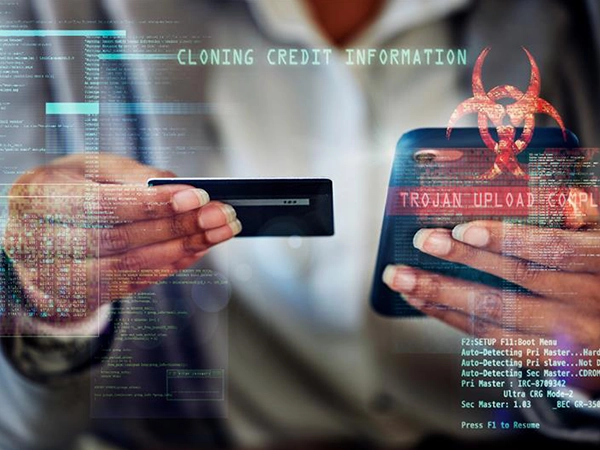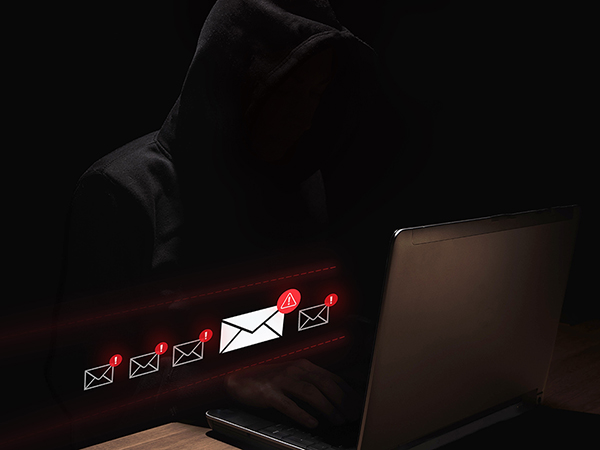




Artificial intelligence has fundamentally reshaped the phishing threat landscape. What was once a noisy ecosystem of poorly written emails and obvious scams has evolved into a precision-driven, psychologically informed attack vector capable of deceiving even highly trained professionals. By 2026, phishing has evolved from a volume-based tactic into an intelligence-led operation powered by generative AI, automation, and behavioral analytics. Modern phishing campaigns leverage AI to conduct automated reconnaissance, generate context-aware messaging, and dynamically adapt attack flows in real time. These attacks routinely bypass legacy security controls, exploit human trust, and move faster than traditional detection mechanisms can respond. This multi-page blog explores how phishing has evolved, the real-world consequences of AI-driven attacks, and the defensive strategies organizations must adopt to survive this new era.
Introduction
Phishing predates artificial intelligence by decades, but the introduction of advanced generative models—far beyond early tools like ChatGPT—has dramatically altered its effectiveness, reach, and credibility. Today’s attackers use AI systems capable of producing language that mirrors human tone, intent, and emotional nuance with near-perfect accuracy. These tools can instantly generate thousands of unique, context-aware phishing messages tailored to specific individuals, departments, or organizational hierarchies.
As a result, the traditional red flags that once helped users identify phishing—misspellings, awkward phrasing, generic greetings—have largely vanished. Instead, victims are confronted with messages that reference real projects, internal terminology, recent meetings, or even personal life events, all harvested from social media, breached datasets, and public records.
This shift has fueled an unprecedented surge in phishing activity. Industry reporting indicates a dramatic surge in phishing incidents in recent years, with exponential growth driven largely by automation and AI-assisted attack frameworks. Beyond financial damage, these attacks erode trust, disrupt operations, and expose sensitive data at a scale previously unseen.
Overview
AI enables attackers to operate with a level of speed, adaptability, and realism that manual phishing campaigns could never achieve. One of the most significant advancements is the rise of polymorphic phishing, where every email or message is slightly different—altering sentence structure, tone, formatting, and vocabulary to evade detection by signature-based filters and sandbox analysis.
Attackers now profile targets with surgical precision. By aggregating data from LinkedIn, corporate websites, press releases, and leaked credentials, AI systems can infer job roles, reporting structures, communication styles, and even stress points within an organization. This intelligence fuels spear-vishing campaigns that exploit authority, urgency, and social pressure—particularly against executives and finance teams.
Key technologies driving these attacks include:
- Advanced large language models (LLMs) capable of generating context-aware, linguistically precise communications that mimic internal corporate tone and structure
- AI-powered voice cloning and synthetic video (deepfake) technologies enabling impersonation of executives, vendors, and trusted authorities.
- Dynamically generated QR codes that change on demand, enabling quishing campaigns
- Cross-channel orchestration that synchronizes email, messaging apps, voice calls, and web portals into a cohesive, multi-stage social engineering campaign.
Real-Time Scenarios
The real-world impact of AI-driven phishing is already profound. In a widely reported 2026 incident, a financial services firm fell victim to a highly sophisticated attack involving AI-cloned audio of the company’s CFO. The voice message, delivered with perfect tone and urgency, instructed staff to approve a series of wire transfers related to a “confidential acquisition.” The attack was reinforced with forged Slack conversations that appeared to show executive approval. By the time the fraud was uncovered, nearly $2 million had been transferred to attacker-controlled accounts.
Healthcare organizations faced a different but equally damaging threat. AI-driven quishing campaigns embedded malicious QR codes into patient portals, appointment reminders, and discharge paperwork. When scanned, these codes redirected users to convincingly branded login pages that delivered ransomware payloads. A significant percentage of users who interacted with the malicious QR codes were compromised.
In the retail sector, attackers embraced a tactic known as “vibe hacking.” AI-driven automation analyzed customer behavioral patterns and engagement signals to tailor emotionally persuasive messaging. Flash-sale scams, delivery issue alerts, and loyalty account warnings were crafted to manipulate consumer behavior, resulting in widespread credential theft and financial fraud.
Types of Phishing
- AI-Email Phishing: Highly adaptive email campaigns that dynamically alter wording, tone, and structure while incorporating internal jargon and contextual references. These messages are designed to evade email gateways, sandboxing technologies, and user suspicion alike.
- Quishing: Phishing attacks that abuse QR codes generated dynamically by AI systems. These codes redirect victims to malicious sites or initiate malware downloads, often bypassing traditional link inspection tools. Recent threat intelligence reports indicate a marked increase in QR-based phishing campaigns.
- Deepfake Vishing: Voice and video phishing attacks that leverage AI-generated clones of executives, colleagues, or trusted authorities. These attacks are particularly effective in high-pressure scenarios involving financial approvals, access requests, or crisis response.
- Adaptive Spear Kits: Automated phishing frameworks that monitor victim engagement in real time. Based on user behavior, the AI adjusts messaging, timing, emotional pressure, and escalation tactics to maximize the likelihood of compromise.
- MFA Bypass: AI-assisted phishing campaigns that present real-time login prompts or cloned authentication pages. By intercepting one-time passcodes (OTPs) and session tokens in real time, attackers can effectively bypass traditional MFA controls and hijack authenticated sessions.
Detection, Defenses & Conclusion
Defending against AI-driven phishing requires an equally intelligent and adaptive approach. Organizations must transition from static rule-based defenses and periodic awareness campaigns to adaptive, AI-assisted behavioral detection and identity-centric security models.
Key defensive measures include:
- Deploying advanced behavioral analytics and AI-driven threat detection
- Conducting frequent, realistic phishing and social-engineering simulations
- Enforcing zero-trust access models and least-privilege principles
- Establishing formal verification procedures for high-risk requests, including deepfake validation workflows
- Continuously monitoring cross-channel communication for signs of coordinated attacks
As AI-enhanced phishing techniques continue to mature, organizations must treat social engineering as a board-level cyber risk requiring continuous monitoring, simulation, and executive oversight. The organizations that succeed will be those that treat phishing not as a nuisance, but as a strategic threat—combining human awareness, layered technical controls, and continuous intelligence to regain and sustain the security advantage.